Treat the live display as information, not a guarantee
A live score display, broadcast and market price can update at different moments. When using Zora’s in-play area, do not assume that a visible clock or stream frame proves the exact state used to accept a wager. Markets can pause or prices can change while the event continues. The final accepted record matters more than the price first noticed on the page.
Before confirming, identify the period and line again. A total for the whole match is different from a total for the remaining period, and a current score does not by itself explain which one the market uses. Read the selection wording rather than filling the gap from what seems intuitive on the screen.
Separate a pending action from an accepted wager
After confirmation, check whether the slip was accepted, rejected or left in another stated status. A loading indicator is not an accepted price. If the connection fails, inspect the history before submitting the same stake again. Repeating an uncertain action can create two wagers rather than repair the first.
A cash-out control, where offered, is also a separate proposal. Its availability or displayed amount should not be treated as guaranteed until the action is accepted under its rules. Do not build a spending plan around the assumption that you can always exit at a particular amount. The practical benefit of a clear history is that you can distinguish what was shown, what you requested and what the service actually recorded. Save the slip reference when asking support about a discrepancy.
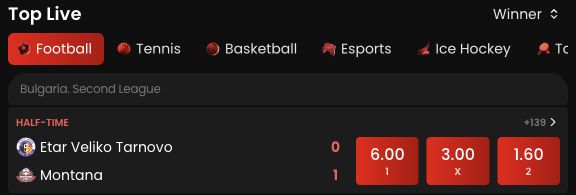
Use a different checkpoint for each part of the screen
The score and clock describe the event feed, the market displays an offer, and the slip records a request and its outcome. Those three areas can update at different times. A route through live sports should therefore end with the accepted entry, not with the score frame visible when you first clicked. The final record is what distinguishes a viewed price from a recorded wager.
Before submitting, reopen the market wording if scrolling or switching tabs has hidden the period. A live page can contain full-match, half, set or other market groupings, depending on the event. The current score cannot fill in a missing label. If the description is unclear, let that action window pass rather than using the broadcast to guess which total the selection covers.
A suspended market is a state to read, not a button to defeat
When a market pauses, the event can continue while the selection is unavailable. Repeated clicking does not establish a right to the earlier price. Wait for the interface to show a clear state and inspect any new offer as a new proposal. The same team and market name can reappear with a different line or price after a change in the event.
If a submission was already in progress, inspect its accepted, rejected or pending status before choosing again. A new click might create another request when the first one later succeeds. Keep the timestamp and reference so that support can distinguish the two. A loading indicator on its own cannot tell you whether the service received the original request.
Separate an exit request from the original wager
A cash-out display, where available, is an offered action tied to an existing record. Read its amount and status at the moment of confirmation. The availability seen a moment earlier does not prove that the same proposal remains open. Do not describe an unaccepted cash-out request as a completed payout merely because the button was pressed before the display changed.
After any interruption, return to the named wager in history and establish which actions were accepted. Avoid combining a public score screenshot, an earlier price and a later cash-out amount into one supposed settlement. Each belongs to a different checkpoint. This navigation discipline explains what happened without promising that a user can always exit a live wager or receive an amount displayed before acceptance.