Read the price as a multiplier
Decimal odds describe a payout multiplier for the selected outcome under the accepted wager’s rules. They do not state that the outcome is likely to occur or that the listed team is the correct choice. On a Zora slip, read the price together with the market and stake; a number without the underlying selection is incomplete information.
For a purely illustrative single wager, a €10 stake at decimal odds of 2.40 produces a gross return of €24 if it wins and is settled normally. That return includes the original €10, leaving €14 of profit. A losing wager does not receive that return. The example is arithmetic, not an event prediction or a recommendation to place a wager.
Check what is included in the displayed total
A slip can display a potential return, while a promotional reward may follow different stake-return rules. Do not assume that a free-bet credit, cash stake and bonus balance settle identically. Read the selected promotion before importing the simple cash example into another balance type. Also distinguish a maximum advertised return from money already credited.
If a selection is voided or a multi-selection wager changes after settlement, the original headline total may no longer describe the result. The accepted slip and settlement rules explain the recalculation. Preserve the slip reference if the displayed result seems inconsistent. Understanding return and profit makes the record easier to read; it does not remove the risk of losing the full stake or justify increasing a fixed spending limit.
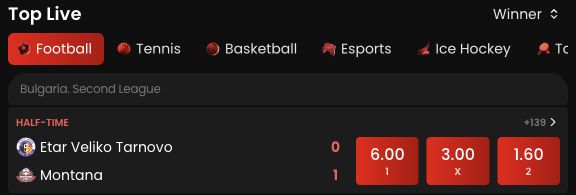
Locate the price field before using the displayed return
A slip may contain the selection price, stake and a potential payout in nearby positions. Identify each label first. Reading the potential payout as the odds, or the stake as the net profit, produces a wrong interpretation even if the arithmetic is otherwise correct. Keep the associated event and market visible so the price remains attached to the outcome it describes.
When a price changes before submission, read the current confirmation instead of continuing with a number copied earlier. The accepted record determines what was recorded for the wager. A public event-page screenshot can show the price that was visible at one moment, but it does not by itself prove that the account accepted that price or that the proposed return became a credited amount.
Use a compact return-and-profit note
For another illustration, €5 at 1.80 gives a normal winning gross return of €9 and a profit of €4. The difference between gross return and profit is the original €5 stake. Write those as separate fields when learning the slip. This prevents a displayed €9 potential return from being described as €9 of new profit or money already available for withdrawal.
The simple formula assumes an ordinary cash wager that wins and is settled under the stated conditions. A promotional free bet may treat the stake differently, while a void or partially settled selection can require another calculation. Do not force every balance type into the cash example. Locate the specific rule and the accepted entry before interpreting a changed final amount.
Understand what the price does not tell you
A decimal price can be converted arithmetically into its reciprocal, but that number is not a verified forecast of the event. It does not establish that the operator has supplied your personal probability of success or that a larger price represents better value. This guide uses odds to explain the slip’s amounts, not to choose winners or suggest an outcome is due.
If the recorded return seems inconsistent, give support the accepted price, stake, selection and reference, together with the final settlement state. Ask which adjustment explains the result. A later public price is not the right comparison because it may refer to another moment or line. Clear field identification is the useful skill: it lets you trace the number from selection to acceptance and settlement without confusing a possibility with a payment.